What Happens During a Professional Water Tank Cleaning
Inside a professional tank clean: draining, sludge removal, scrubbing, disinfection, and the final rinse — what the crew does and what you should expect.

What a professional clean promises
A professional tank clean is a defined sequence, not a splash of bleach and a hose. Every legitimate provider works through the same stages: inspect, drain, remove sludge, scrub, disinfect, rinse, and hand back a tank that is safe to refill. This guide walks through what each stage involves, what the crew should be doing at each one, and the difference between a real clean and a rushed one — so you can hold any provider, including TankCleaner, to the standard.
The seven stages of a proper clean
- Inspect: the tank, lid, fittings, and access are checked, and the work is agreed with you first.
- Drain: the water is pumped or drained down with minimal waste, timing planned around your supply schedule.
- Sludge removal: sediment is scooped or vacuumed off the floor and out of corners.
- Scrub: walls, ceiling, and corners are scrubbed with brushes matched to the tank material.
- Disinfect: a solution is applied evenly and given the contact time it needs to work.
- Rinse: the interior is rinsed and vacuumed until the water runs clear and residue is gone.
- Handover: fittings are refitted, the lid is secured, and refill and flush guidance is given before the crew leaves.
Stage by stage: what to watch for
Inspection comes first because it sets everything else. A crew that starts scrubbing without looking has skipped the step that protects both your tank and their schedule. Draining deserves the same attention: the mark of care is planning the drain around your Kerala Water Authority supply timing so the water is not wasted and the tank is not left dry into supply day.
Sludge removal is the unglamorous heart of the job. Settled sediment is vacuumed or scooped out before any scrubbing starts, because scrubbing sludge around only redistributes it. On sumps and older concrete tanks this stage takes the longest — a rushed clean shows itself later as grit at your tap. Scrubbing then works from the ceiling down, with brush stiffness matched to the surface: firm enough for concrete and weathered plastic, gentle enough not to gouge good plastic.
Disinfection and rinsing are where chemistry and patience matter. The solution is applied evenly — floors especially — and left for its full contact time rather than hosed off early. The rinse that follows continues until the runoff is genuinely clear, not merely less cloudy. If you are watching a clean, these two stages are the ones to time: a disinfectant with one-minute contact time that is rinsed in thirty seconds has not disinfected anything.
One detail separates thorough crews from fast ones: the order. Sludge is always removed before scrubbing, and disinfection always follows scrubbing, never precedes it — disinfecting over a dirty floor wastes the chemical on sediment instead of surfaces. If you watch a visit and the order looks wrong, say so; a professional crew can explain every step and why it sits where it does.
Safety, for the crew and your water
Tanks are confined spaces with slippery surfaces, and sumps add depth and poor ventilation. A professional crew works with the roof and pit conditions assessed first, uses stable access arrangements, and never treats a structural doubt as a scheduling detail. For your water, the safety questions are the ones at handover: how long before use, what to flush, and what was used in the tank. You should hear specific answers, not assurances — the wait and flush steps exist for the exact disinfectant used, and they should be stated plainly.
How long a proper clean takes
Time is the easiest honesty check. A standard household plastic overhead tank takes roughly an hour to ninety minutes including setup; a sump runs one to four hours depending on size and sludge; concrete tanks and heavily fouled sumps sit at the long end. A whole-house visit covering an overhead tank, loft tank, and sump is a half-day job planned properly. Anyone promising all three in an hour is promising a rinse, not a clean.
What a real clean leaves behind
Not much, by design: a clean tank, refitted fittings, a secured lid, and clear guidance. What it should never leave is sludge around the work area, unexplained chemical smells, or a tank filled immediately against guidance. If your building is shared, the crew's per-tank record — tank, condition, work done — is the document that turns one visit into a maintenance programme, and it should be handed over before the crew leaves.
See the standard applied
Book a clean and watch the process — every stage above is the job you should see.
Frequently asked questions
How long does a professional tank cleaning take?
For a standard household plastic overhead tank, plan on an hour to ninety minutes including setup. Sumps take one to four hours depending on capacity, access, and sludge build-up, and concrete tanks sit at the longer end of their size class. A combined household visit covering rooftop, loft, and sump tanks is realistically a half day when done properly.
What chemicals are used to disinfect a water tank?
Professional crews use disinfecting solutions formulated for potable-water tanks, applied at concentrations meant to knock down microbial growth and then be cleared by rinsing and the advised settling time. The specific product matters less than the discipline: even coverage, full contact time, a thorough rinse, and stated wait-and-flush guidance for your household before drinking and cooking use resumes.
How do I know the crew did a thorough job?
Three observable checks: sludge removal happened before scrubbing (ask to see the vacuumed sediment); the disinfectant sat for its stated contact time rather than being rinsed immediately; and the rinse water ran clear before the tank was refitted. Afterwards, the tap should draw clean water after the advised flush, with no grit or film. In shared buildings, the per-tank written record is your audit trail.
Is it safe to clean a tank myself instead?
A homeowner can rinse a lightly used plastic tank, but a proper clean involves confined-space entry, sludge handling, working at roof height or below ground, and disinfectant dosing — a combination that injures DIY cleaners every season and is easy to under-do on the chemistry. If you do attempt it, never enter a sump alone, and never mix cleaning chemicals. For most households the professional visit is the safer and, given the time involved, not much costlier option.
What equipment does a tank cleaning crew bring?
Expect ladders and access gear, a pump or vacuum for draining and sludge removal, brushes matched to tank materials, buckets, the disinfecting solution, and personal safety gear. What you should not see is household bleach poured from a shopping bag — the disinfectant should be a product chosen for potable-water tanks, applied at a stated concentration with a stated contact time.
More guides
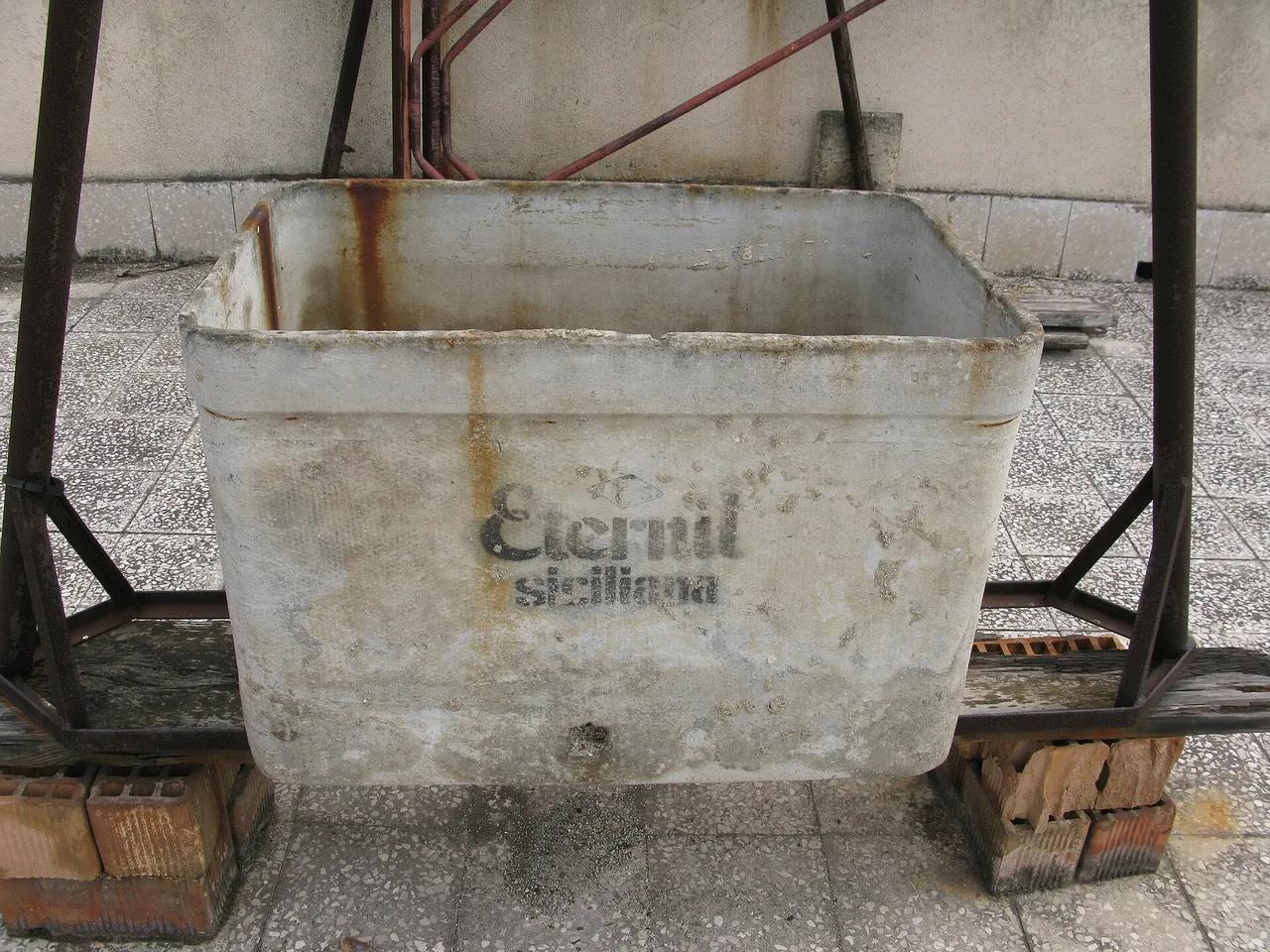
How to Prepare Your Home for a Tank Cleaning Visit
A practical checklist for the day your tank cleaner arrives: water storage, roof access, pets, and the small preparations that make the visit faster.
Learn more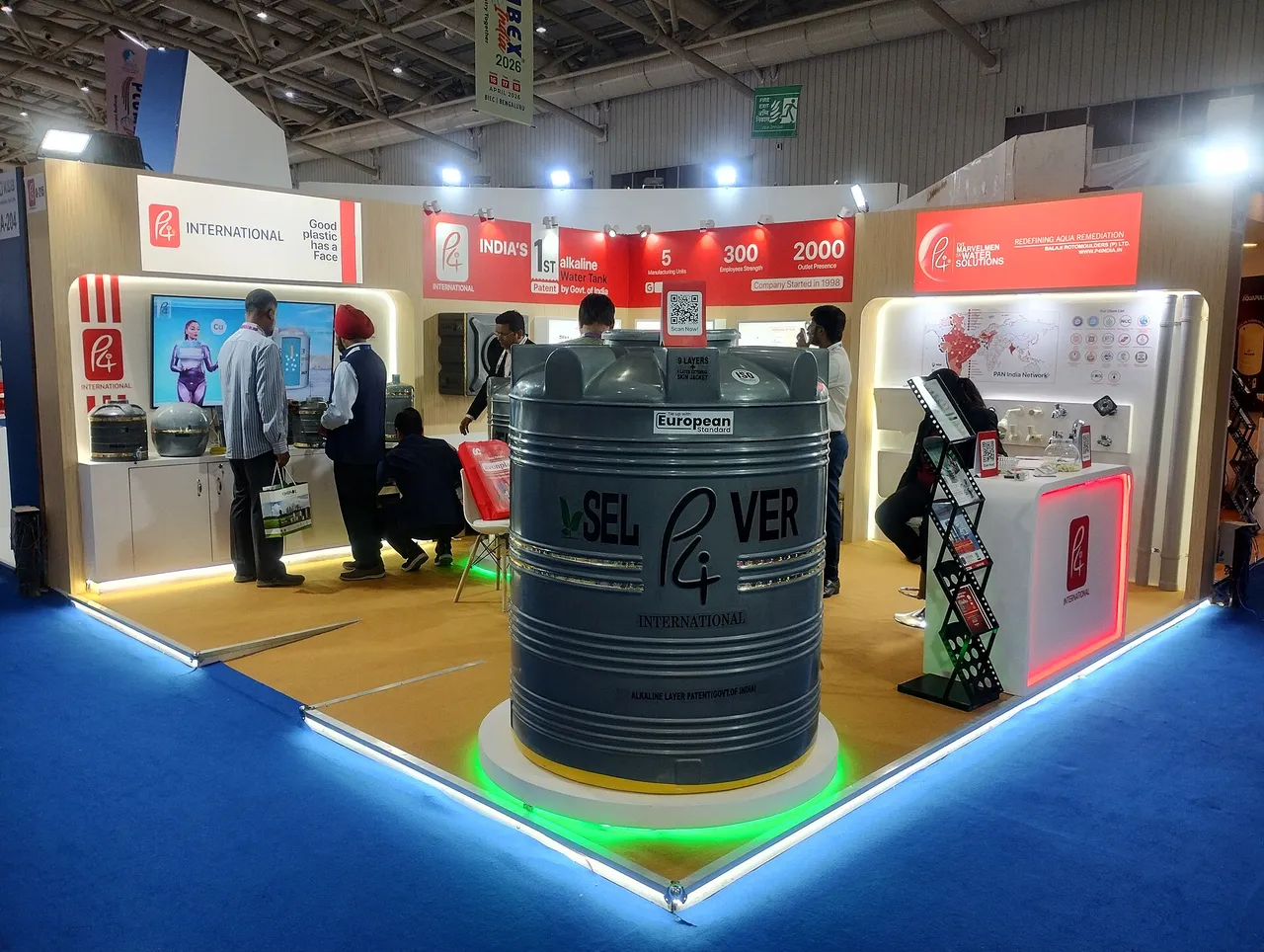
Types of Water Tanks in Kochi Homes and How Each Is Cleaned
Plastic Sintex-type tanks, loft tanks, concrete overhead tanks, and underground sumps — the tank types behind Kerala homes and what cleaning each one takes.
Learn more
How Often Should You Clean Your Water Tank in Kochi?
A practical cleaning schedule for Kochi homes: how often overhead tanks and sumps need cleaning, why monsoon months matter, and the signs your tank is overdue.
Learn moreLast updated: