How Often Should You Clean Your Water Tank in Kochi?
A practical cleaning schedule for Kochi homes: how often overhead tanks and sumps need cleaning, why monsoon months matter, and the signs your tank is overdue.
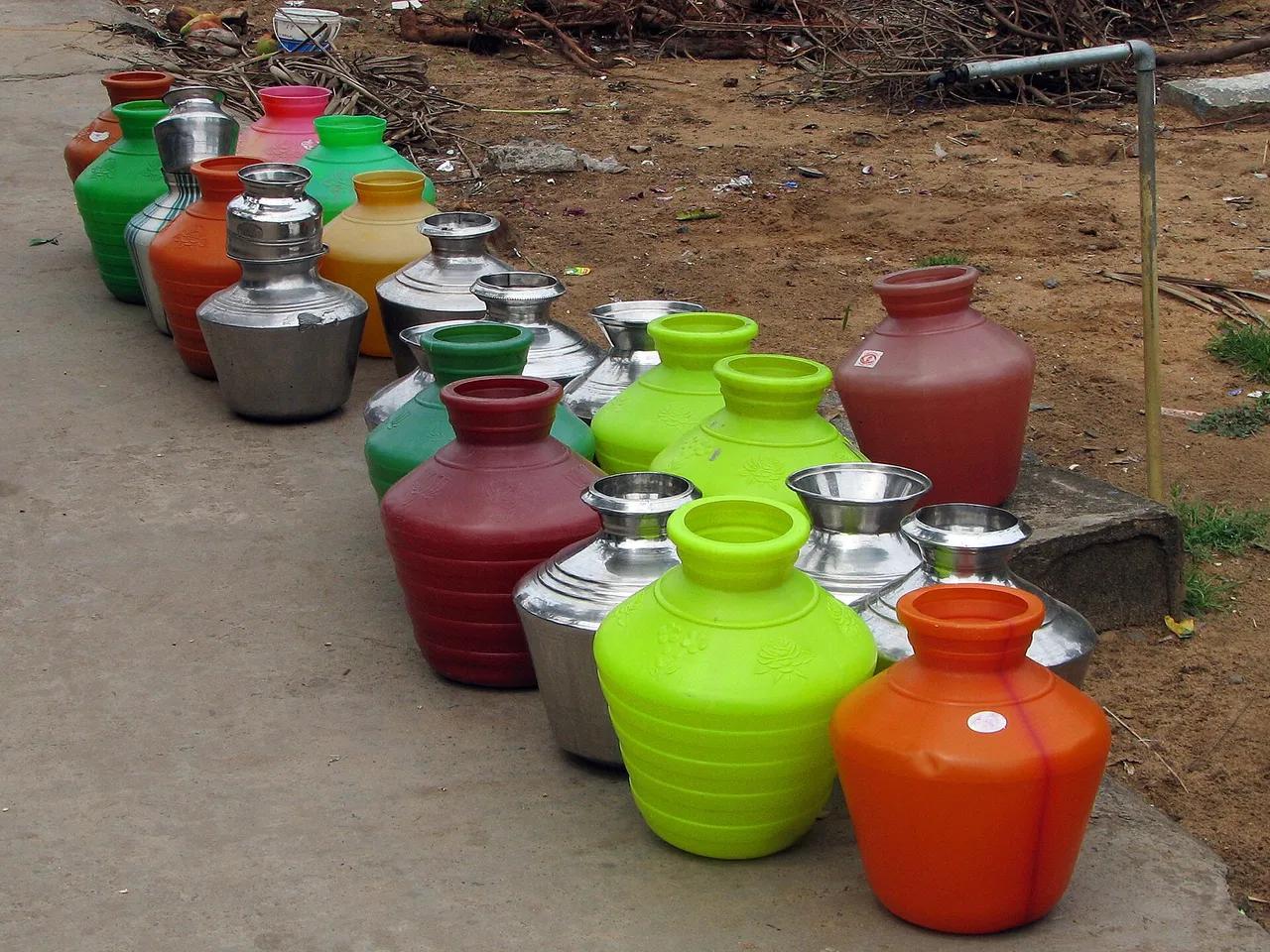
The short answer
For a Kochi household, the practical schedule is every six months for both your overhead tank and your underground sump, and closer to every three to four months for busy households, shops, and small commercial properties. No household tank should go more than a year between proper cleans. That guidance matches what multiple Kochi service pages publish, and it fits how this city's climate actually treats stored water.
Why Kochi tanks foul faster than the calendar suggests
Two local factors work on every tank here. Dust first: through the dry months, fine construction and traffic dust settles on rooftops and washes toward tank openings with the first rain. Then the monsoon, roughly June to September, turns that dust into runoff carrying leaves, bird droppings, and roof grit straight at your tank lid and vent. Whatever gets past the lid settles to the floor as sludge and feeds the microbial growth that discolours water and causes stale smells.
Water supply patterns add to it. Homes on alternate-day Kerala Water Authority supply keep tanks fuller for longer, and still, warm water settles into layers — the bottom few centimetres stagnate while the top circulates. That stagnant layer is where sediment compacts and smells start, which is why a tank can look fine from the tap and still be dirty at the bottom.
Overhead tanks: the six-month rhythm
A household overhead tank — the plastic Sintex-type tank or small concrete tank on your roof — should be cleaned about every six months. Time one clean for just before the monsoon so the tank goes into the wet season clean, and the second for after it, once the runoff season has passed. Bring the schedule forward if your tank sits in direct sun, stands near trees, or feeds a large family. The job takes an hour to ninety minutes for a standard tank, so twice a year is a modest commitment for the tank your drinking water passes through.
Sumps: same baseline, faster cycles for heavy use
The underground sump should run on the same six-month baseline, but busy properties should shorten it. A sump serving a shop, clinic, hostel, or a family that runs through its storage daily is best cleaned every three to four months, because high turnover stirs sediment and constant warmth accelerates growth. Sumps also suffer most from supply-day stagnation: if your area's supply arrives on fixed alternate days, the sump spends long stretches full and still — exactly the conditions sludge likes.
Signs your tank is overdue
The calendar is a guide; the tank itself is the evidence. Watch for water that smells stale or musty at the tap, visible particles or a thin film in stored water, discolouration that clears after the first few litres (meaning the problem is in the tank, not the supply), or sediment grit at the bottom of a bucket drawn first thing in the morning. Any of these means the tank's schedule has slipped, whatever the calendar says — book a clean and reset the rhythm from there.
Apartments and shared buildings
Shared tanks deserve a stricter routine than household ones because more people depend on each tank and committee calendars drift. Treat every six months as the outer limit for residential towers, and three to four months for high-occupancy blocks. The sensible pattern is one planned visit that works through the building's tanks in sequence, keeping one tank in service while another is cleaned, with a written record per tank for the association file.
Solar owners should fold panel cleaning into the same calendar: panels on Kochi roofs foul on the same dust-and-monsoon cycle as tanks, and a pre-monsoon clean lets the array make the most of the cloudy season. Pairing the visits means one roof trip, one slot to plan around, and both systems reset together.
What a clean visit resets
A proper clean resets everything the schedule is protecting: sediment is vacuumed out, walls and corners are scrubbed, a disinfecting solution is applied with real contact time, and the tank is rinsed until the water runs clear. After that, the refill-and-flush guidance from the crew makes the water safe to use again. If you want the full picture of what that involves, the guide to the professional cleaning process walks through it step by step.
Book your next clean
Tell us your tank type and the last time it was cleaned — we will suggest a schedule and quote the visit.
Frequently asked questions
Is once a year enough for a water tank?
Once a year is the outer limit, not the ideal. For Kochi conditions — dust through the dry months and heavy monsoon runoff between June and September — a six-month cycle keeps the tank in visibly better condition, and busy households often do better at three to four months. If your tank has gone more than a year, book a clean now and set the rhythm from there.
Does the monsoon really make tanks dirtier?
Yes. Runoff is the main delivery mechanism for dirt: rain washes roof dust, leaves, and bird droppings toward tank lids and vents, and whatever passes the openings ends up on the tank floor. A pre-monsoon clean and a post-monsoon clean bracket the season and keep most of that material out of your water.
How do I know my tank needs cleaning before the smell starts?
Check the bottom of a bucket filled first thing in the morning: grit or sediment means the floor layer is building. A thin film on stored water, water that clears after the first few litres, or a schedule that has drifted past six months are all early signals — you do not need to wait for taste or smell problems to act.
Should I clean the overhead tank and sump together?
Cleaning them on the same visit is efficient and sensible: the crew is already set up, both stores reset together, and you keep one water-use rhythm for the house instead of two separate disruptions. Just tell us both tanks are due when you book so the slot is planned long enough.
Can I clean the tank myself instead of booking a service?
A light rinse of a plastic tank is within most households' reach, but a proper clean means entering a confined space, handling sludge, working at roof height or below ground, and dosing disinfectant correctly. Most households find the professional visit safer and, once their own time is counted, not much costlier. If you do attempt it, never enter a sump alone and never mix cleaning chemicals.
More guides

What Happens During a Professional Water Tank Cleaning
Inside a professional tank clean: draining, sludge removal, scrubbing, disinfection, and the final rinse — what the crew does and what you should expect.
Learn more
How to Prepare Your Home for a Tank Cleaning Visit
A practical checklist for the day your tank cleaner arrives: water storage, roof access, pets, and the small preparations that make the visit faster.
Learn more
Types of Water Tanks in Kochi Homes and How Each Is Cleaned
Plastic Sintex-type tanks, loft tanks, concrete overhead tanks, and underground sumps — the tank types behind Kerala homes and what cleaning each one takes.
Learn moreLast updated: