Types of Water Tanks in Kochi Homes and How Each Is Cleaned
Plastic Sintex-type tanks, loft tanks, concrete overhead tanks, and underground sumps — the tank types behind Kerala homes and what cleaning each one takes.
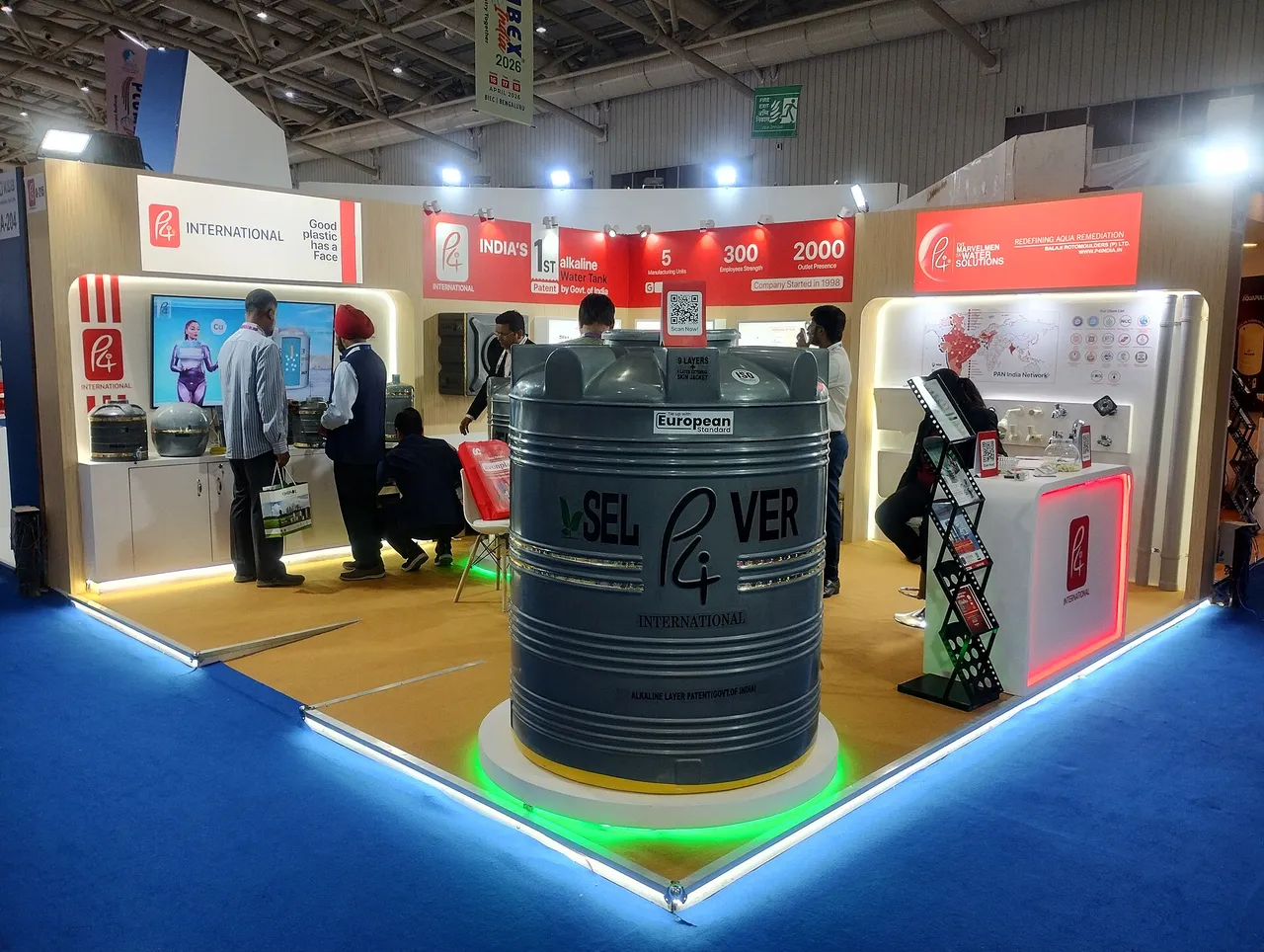
The four tanks behind most Kerala homes
Almost every home in Kochi stores water in some combination of four tanks: a plastic overhead tank on the roof, a smaller loft tank inside the house, a concrete overhead tank on older buildings, and an underground sump below the ground floor. Each stores the same municipal or borewell water, but each is built differently — and the differences decide how it must be cleaned without damage.
Plastic overhead tanks (Sintex-type)
The black or blue moulded plastic tank on a rooftop is the most common tank in Kerala. Capacities run from a few hundred litres to two thousand or more, and the plastic is smooth, which makes cleaning straightforward — firm scrubbing with soft or medium brushes releases algae and slime without much force. What plastic will not forgive is abrasion: metal scrapers, wire brushes, and harsh scraping gouge the surface, and every gouge becomes a home for bacteria. Cleaning also needs care around the inlet, overflow, and outlet fittings, which loosen with age.
Sunlight is plastic's other enemy. A tank in direct Kochi sun slowly degrades at the surface, chalks, and becomes harder to scrub clean, and very old tanks can crack under a scrub that a newer tank would shrug off. A crew that cleans plastic tanks regularly knows the difference and adjusts pressure accordingly.
Loft tanks
Many houses add a small plastic tank in the loft or on a mid-level slab to boost pressure to upper floors. These are cleaned the same way as rooftop plastic tanks — drain, scrub, disinfect, rinse — with two practical differences: access is tighter, so the clean takes longer per litre, and because the loft tank feeds the kitchen or bathrooms directly, the post-clean flush matters more. If your house has both a rooftop tank and a loft tank, clean both on the same visit so the whole line resets together.
Concrete overhead tanks
Older buildings and many institutions run concrete overhead tanks — rectangular masonry structures with rough plastered walls. The rough surface is the defining trait: sediment lodges in the pores, algae anchor more stubbornly, and a proper clean takes a longer scrub and a heavier sludge removal than any plastic tank of the same size. Cracks and exposed reinforcement are worth checking during the clean, because a tank that is leaking is also a tank that is letting dirt in.
Underground sumps
The sump is the pit beneath the house that receives supply from the Kerala Water Authority line or borewell and feeds the pump. It is concrete almost always, and it lives in the harshest environment of any tank: dark, still, warm, and fed by whatever arrives with the supply. Cleaning means pumping down, vacuuming sludge, scrubbing the walls, disinfecting, and rinsing — the same logic as the overhead tank, heavier on the sludge. Sumps also reward honest attention to the lid: a loose or broken lid is an open invitation to runoff and insects.
Commercial and shared tanks
Apartment blocks, offices, schools, and clinics scale the same four types up: bigger plastic or concrete rooftop tanks and larger sumps, often several of each. The cleaning method does not change, but the planning does — tanks are cleaned in sequence so the building keeps water, and the work is recorded tank by tank. Very large industrial storage is a different trade entirely, and an honest service will say so rather than improvise.
Which type do you have?
If you are unsure, look up: a moulded tank on the roof is a plastic overhead tank; a plastered structure is concrete. Look at the ground floor for the sump cover, usually a concrete or steel lid near the pump. And if your house has a loft tank, you will see the small tank and its float valve when you open the loft hatch. Knowing your combination is the first thing the quote form asks, because it decides the crew, the time, and the price.
Capacity follows household size: a small family manages on 500 to 1,000 litres of overhead storage, while larger households and small commercial kitchens run 1,500 to 2,000 litres or more; sumps are sized to buffer supply interruptions, commonly a day's use or more. If you are adding storage, match the tank to the need rather than to the largest space on the roof.
Not sure what your setup needs?
Describe your tanks in the quote form — roof, loft, concrete, sump — and we will tell you what a clean involves and what it costs.
Frequently asked questions
Which type of water tank is best for a Kochi home?
For most households, a good-quality plastic (Sintex-type) overhead tank paired with a concrete sump is the practical standard: plastic is light, does not corrode, and cleans easily, while the underground sump buffers supply interruptions. The right size matters more than the brand — match total storage to your household's daily use and supply pattern rather than buying the largest tank that fits the roof.
How long does each type of tank last?
A quality plastic overhead tank typically serves ten to fifteen years before sun degradation makes replacement sensible; shaded or indoor loft tanks last longer. Concrete tanks and sumps can serve decades, but need their plaster, cracks, and lids maintained, because a cracked concrete tank fouls faster no matter how often it is cleaned. Cleaning on schedule extends any tank's useful life because sediment and growth are what wear surfaces and clog fittings.
Can one crew clean every tank type in one visit?
Yes — the method is the same disciplined sequence for all four types, with brushes and pressure matched to the material. A combined household visit usually covers the rooftop tank, the loft tank if present, and the sump in one planned slot, and apartment blocks are handled tank by tank in sequence. The main variable is time: concrete and sumps take longer than plastic of the same capacity.
Do different tanks need different disinfectants?
The disinfecting solutions used for household water tanks are chosen to be effective against the growth that fouls tanks while remaining safe once flushed and settled at the concentrations used. What changes between tanks is the contact time and the rinse volume — porous concrete and sludge-heavy sumps need more of both. The crew states the wait and flush steps for your specific tanks before leaving.
Why are rooftop tanks usually black or dark blue?
Dark colours block sunlight, and sunlight is what algae need to grow inside a transparent tank. The dark moulded shell acts as a light barrier, which is why black and dark blue plastic tanks became the default for rooftop storage — a small design choice that does real work for water quality between cleans.
More guides

What Happens During a Professional Water Tank Cleaning
Inside a professional tank clean: draining, sludge removal, scrubbing, disinfection, and the final rinse — what the crew does and what you should expect.
Learn more
How to Prepare Your Home for a Tank Cleaning Visit
A practical checklist for the day your tank cleaner arrives: water storage, roof access, pets, and the small preparations that make the visit faster.
Learn more
How Often Should You Clean Your Water Tank in Kochi?
A practical cleaning schedule for Kochi homes: how often overhead tanks and sumps need cleaning, why monsoon months matter, and the signs your tank is overdue.
Learn moreLast updated: